Latest Blog Posts


Mar 16
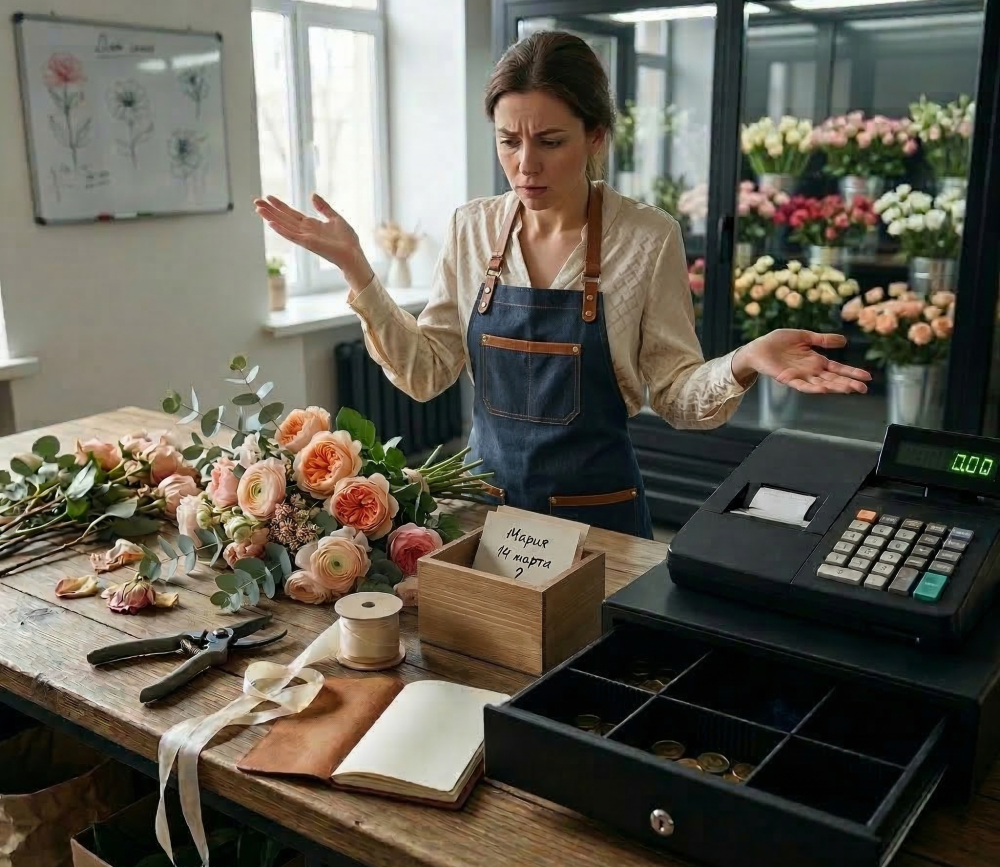
How sales are lost without client abandonment
In the flower business, most lost sales don't result in refusals.
The customer doesn't say "too expensive," doesn't argue, and doesn't leave dissatisfied. They're inquisitive, look, sometimes even thank you—and then simply don't buy.
These situations are particularly insidious: everything looks fine on the surface, but the sale never happens.
By 2026, this type of loss will become one of the most widespread and least noticeable.
A sale that almost made
In many cases, a customer visits a website or a store, reviews the offerings, and mentally accepts the purchase. They can compare several options, imagine who the bouquet is for, and even return to the selection later.
There's no formal refusal, but no final decision is made either.
From a business perspective, this looks like a neutral contact.
From a market perspective, it looks like lost demand that wasn't captured in reports or analytics.
Where are these sales most often lost?
Selling without refusal is repeated in the same scenarios. This most often occurs:
- with unsolicited purchases,
- in online channels,
- with new customers without experience interacting with the brand,
- in situations where there is no sense of urgency.
When a purchase is not necessary, any hesitation easily postpones the decision indefinitely.
When there's interest, but no signal to take action
One of the key reasons is a lack of closure.
The client may lack confirmation that the right choice was made, that the bouquet is appropriate right now, and that the decision doesn't require further deliberation.
The interest remains, but it doesn't translate into action.
"Everything's fine"—but not convincing enough.
The paradox of the flower business is that the bouquet can be beautiful, the price reasonable, and the service impeccable, but it still isn't enough.
Flowers are an emotional product. Not only logic but also confidence is important.
If confidence isn't there, the client doesn't refuse—they simply put it off.
Unspoken сlient сoncerns
Most concerns are not directly voiced by clients. These concerns typically revolve around:
- how the bouquet will look in reality,
- how long the flowers will last,
- the recipient's reaction,
- the accuracy and reliability of delivery.
If a business doesn't answer these questions upfront, clients prefer not to take risks and leave the process without explanation.
Why "later" often doesn't happen
A client may sincerely plan to return. But without a reminder, an emotional anchor, or a new context, the intention dissolves in the daily grind.
A sale is lost not because the client changed their mind, but because nothing helped them return to their decision.
When a business itself amplifies losses
Sometimes sales are lost not because of the customer, but because of the structure of the offering itself. An overloaded product range, unclear communication, and a lack of focus complicate the choice rather than make it easier.
Under such conditions, it's easier for the customer to abandon the process than to make a decision.
What helps reduce losses without pressure
It's not about pushing or "finishing the deal."
It's about guiding the customer until they feel confident.
The following work best:
- clear purchasing scenarios,
- limited and structured selection,
- explaining the value, not just the selection,
- transparency of service and delivery.
These elements don't sell directly, but they do remove internal resistance.
Why is this especially important heading into 2026?
Customers are becoming more cautious and making less and less impulsive decisions.
This means that every unformed confidence turns into a potential lost sale.
By 2026, the flower businesses that will win will be those that can handle not only objections but also silent doubt.
Conclusion
Most sales are lost not because of customer rejection, but because of a lack of confidence.
Customers don't say "no"—they simply don't say "yes."
Sales grow when a business is able to guide customers through to the decision point, rather than stopping at the intent stage.
Your experience matters! Take a short survey and see what answers other flower business representatives gave. Take part